en

Intermunicipal Heat Planning Using the Convoy Approach

Client

City of Tauberbischofsheim

Project Period

Since 2025

Results

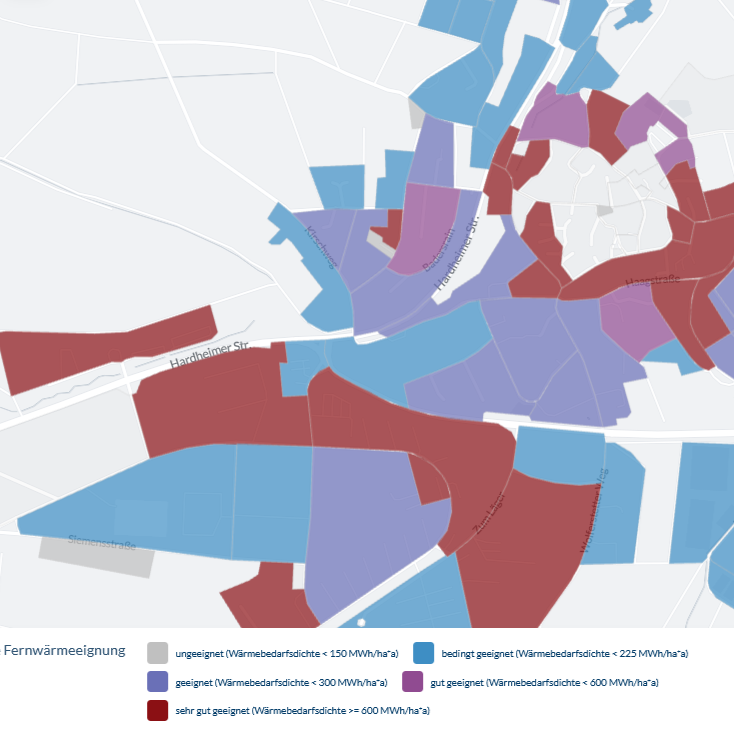
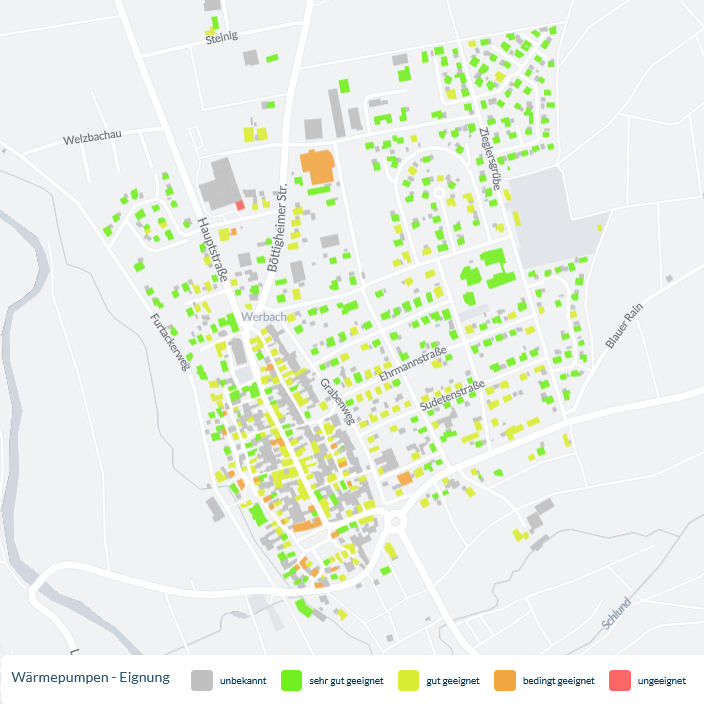
Existing and Potential Analysis with Digital Twin
Scenario Identification and Heat Transition Strategy
Planning for a Decarbonized and Secure Heat Supply

How can the heat transition be achieved by 2028, even in smaller municipalities? In the Tauber Valley, three municipalities are relying on an intermunicipal heat planning process using a convoy approach. By pooling resources and expertise, an efficient, coordinated, and cost-effective foundation for a future-proof heat supply is created. Intep supports the municipalities in developing a joint heat transition strategy.

The starting point

By June 2028 at the latest, all municipalities in Germany are required to develop a municipal heat plan based on the Heat Planning Act (WPG), which has been in effect since 2024. The heat plan is intended to provide municipalities and the public with guidance on potential future heating supply options — both for district heating systems and decentralized solutions (e.g. heat pumps or pellet heating).

For smaller towns and municipalities, this task presents a significant organizational and technical challenge. In response, the cities of Tauberbischofsheim and Külsheim, along with the municipality of Werbach, have chosen an intermunicipal approach using the convoy method. This strategy allows them to leverage synergies and create a coordinated foundation for the decarbonization of their heating systems. Intep has been commissioned to develop the concept and provide technical and procedural support throughout the process.

Our contribution

Intep is developing an intermunicipal heat planning strategy for the three municipalities, following the latest action guidelines and technical catalog of the state of Baden-Württemberg. Through an extensive baseline analysis, we identify and map current heating demands, infrastructures, and energy sources, representing them in a digital twin. This forms the foundation for evaluating efficiency, savings, and production potential, enabling us to create robust scenarios for a decarbonized heat supply by 2040. These scenarios provide the basis for zoning classifications, the identification of suitable district heating and individual supply areas, and a coordinated decarbonization roadmap.

A key element of the project is the creation of a comprehensive intermunicipal heat transition strategy, which includes region-specific actions and prioritized focus areas. In addition, intep facilitates stakeholder, committee, and public engagement throughout the process, ensuring transparency, stakeholder acceptance, and the feasibility of the proposed solutions. The results are delivered in clear, accessible reports, digital maps, and energy performance indicators, and are handed over to the municipalities for further implementation.

Contact

Senior Consultant

Stefan Schmied