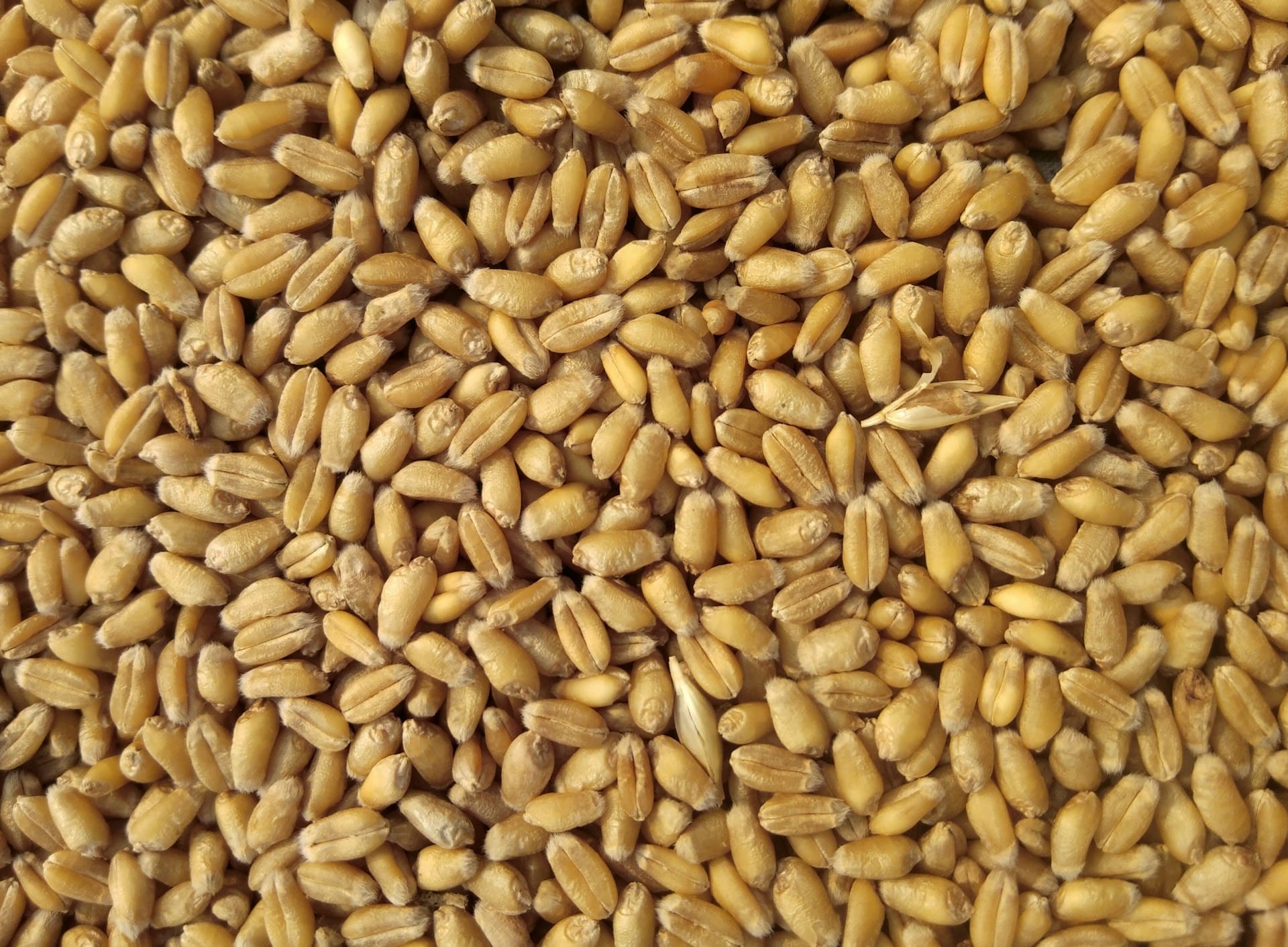
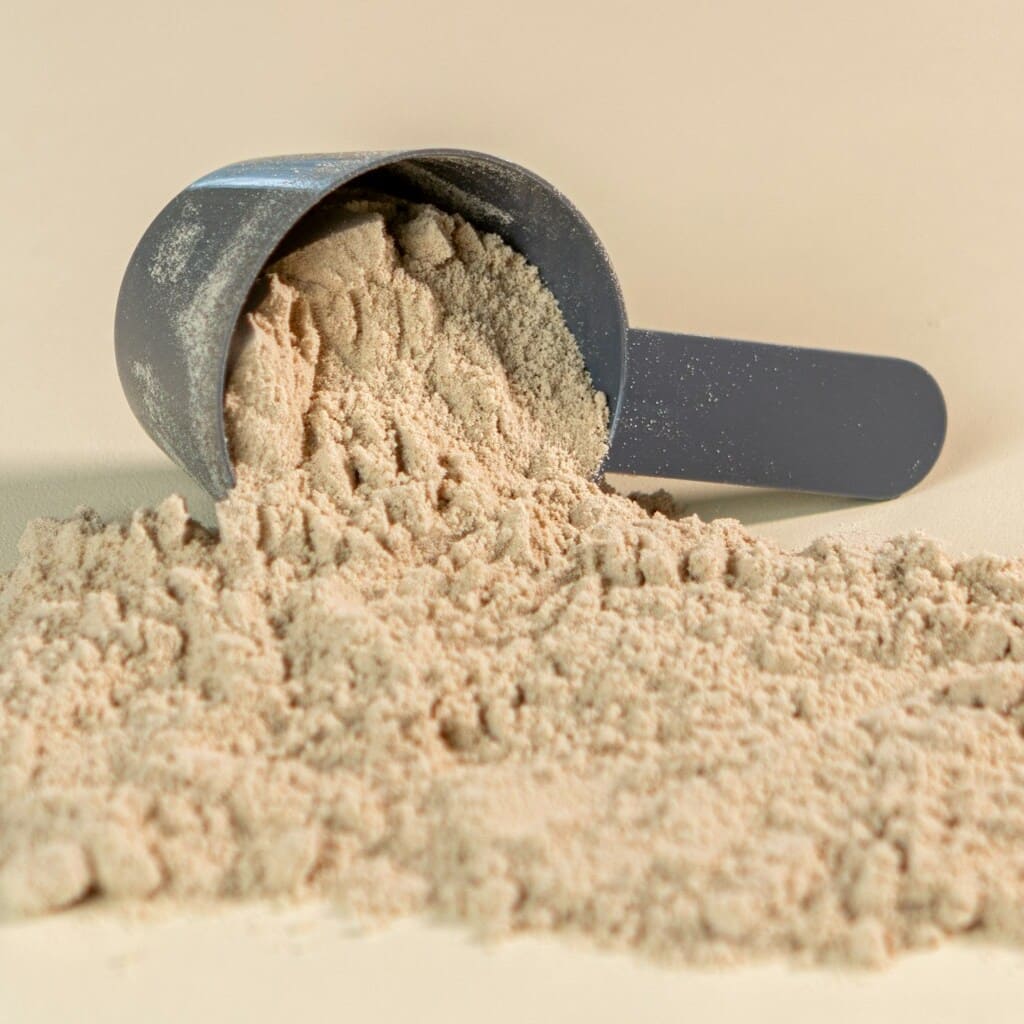
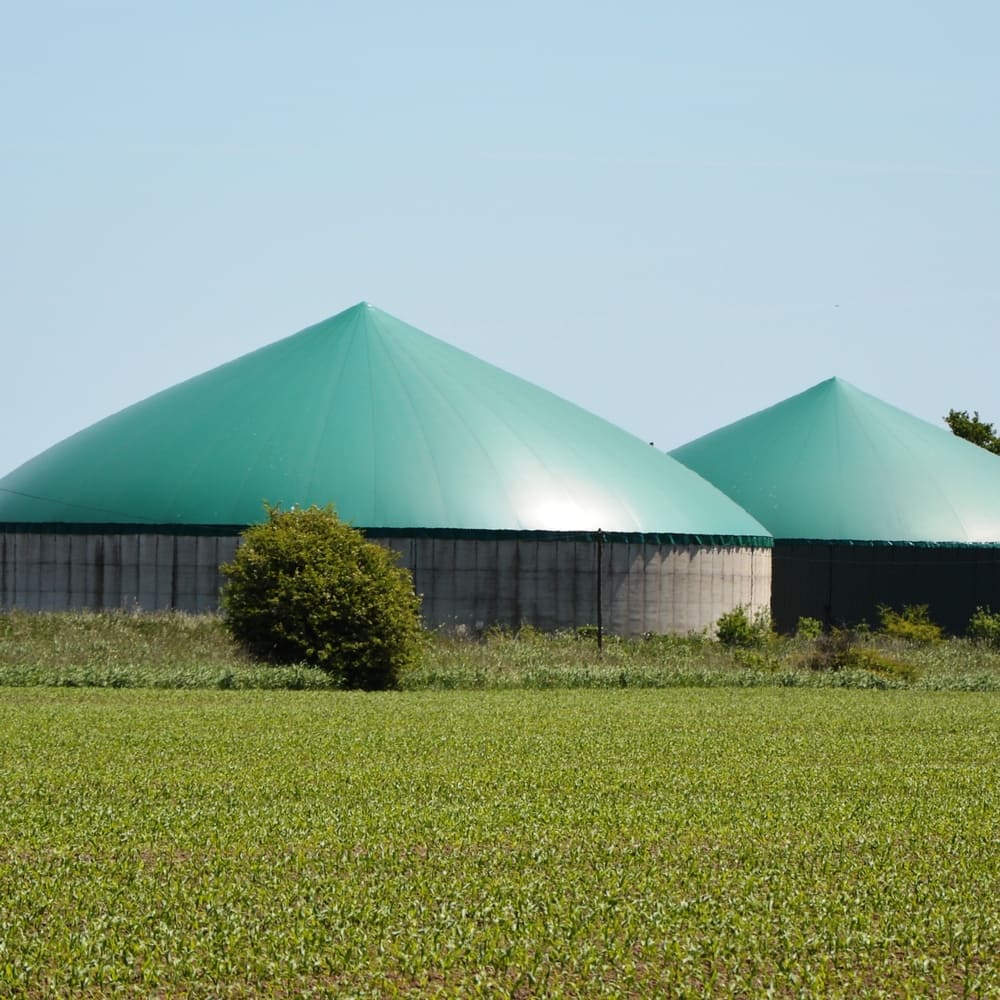
We prepared comparative life cycle assessments for 15 relevant by-products—including whey, wheat bran, molasses, rapeseed meal, brewer’s grains, okara, coffee grounds, and meat and poultry offal. For each by-product, we identified two to three recovery pathways and five to six utilization options. The environmental impacts were assessed using environmental impact points (UBP) based on the ecological scarcity method, as well as greenhouse gas emissions. The assessment considered both the additional environmental impacts of the processes and the benefits resulting from the replacement of other products.
The results show that most valorization and recycling pathways provide a positive environmental benefit. In particular, valorization — the processing into food — typically offers the greatest ecological advantage, especially when it replaces primary, environmentally intensive products. Energy recovery can also be beneficial, particularly when it substitutes fossil fuels. The use of by-products as animal feed can also be ecologically advantageous, depending on the by-stream. The environmental benefit largely depends on which product is replaced by the by-product.
The study on the valorization of by-products supports the prioritization of various utilization pathways in industry and demonstrates how the upgrading of by-streams can contribute to achieving the goals of the Action Plan Against Food Waste.